
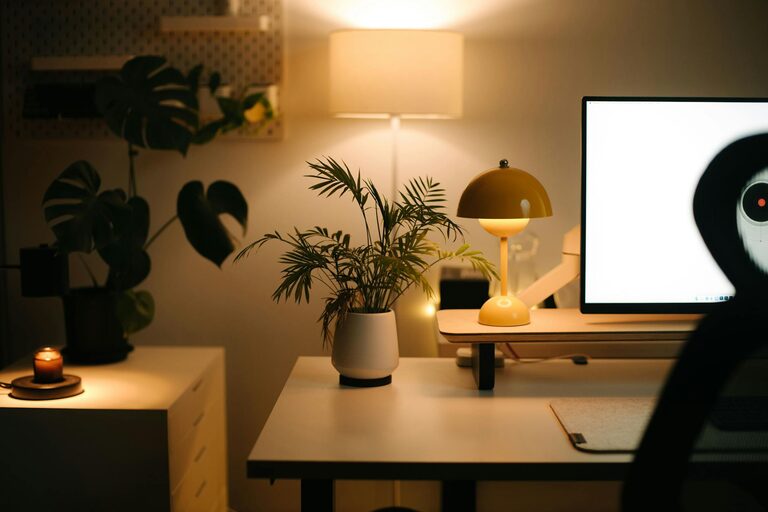
Creating a cozy and inviting home office is essential for anyone who works from home or needs a dedicated space for focused tasks. A well-designed workspace can improve your mood, increase productivity, and make working from home much more enjoyable. Whether you have a small nook or an entire room to dedicate to your office, these tips will help you design a space that feels both comfortable and practical.
1. Choose the Right Location
Selecting the ideal spot for your home office is the first step. Consider a quiet area with minimal distractions. If possible, position your desk near a window to take advantage of natural light — it helps improve alertness and creates a welcoming atmosphere.
If space is limited, think about unused corners, a section of your living room, or even a converted closet. The key is to find a place where you can work comfortably without interruptions.
2. Invest in Comfortable Furniture
Comfort is critical when spending hours at your desk. Invest in an ergonomic chair that supports your back and encourages good posture. Look for adjustable features like seat height and armrests to customize it to your needs.
Your desk should provide enough surface area for your computer, notebooks, and any other tools you use regularly. If you prefer standing while working, consider a sit-stand desk to switch positions throughout the day.
3. Incorporate Warm Lighting
Lighting sets the mood of your office. Avoid harsh overhead lights by opting for soft, warm light sources such as desk lamps or floor lamps. Adjustable task lighting helps reduce eye strain, especially when working late into the evening.
If your room has windows, use light curtains or blinds to control glare without blocking sunlight completely. You might also add small string lights or candles (battery-operated for safety) to enhance the cozy feeling.
4. Personalize Your Space
Adding personal touches makes your office inviting and uniquely yours. Decorate with items that inspire you: framed photos, artwork, or motivational quotes. A few colorful throw pillows or a soft blanket on a nearby chair can add warmth and texture.
Plants are an excellent way to breathe life into your workspace. They purify the air and add natural beauty. Choose low-maintenance options like succulents, snake plants, or pothos that thrive indoors with minimal care.
5. Keep It Organized
A clutter-free space helps maintain focus and reduces stress. Use storage solutions like shelves, filing cabinets, or desk organizers to keep papers and office supplies tidy.
Designate zones for different tasks — for example, a writing area, a tech setup, or a place to brainstorm ideas. Keeping everything in its place not only makes your office look neat but also saves time searching for things.
6. Use Color Wisely
Colors influence our emotions and productivity. Soft, neutral tones like beige, light gray, or white create a calm environment. If you want to add some personality, consider accent colors in blues or greens, which are known for their soothing and concentration-enhancing effects.
Avoid overly bright or neon colors that may cause distraction or eye fatigue. Even small pops of color through accessories and wall art can energize your office without overwhelming the senses.
7. Incorporate Sound Control
Noise can be one of the biggest distractions when working from home. Try to select an area with minimal background noise. If that’s not possible, consider adding rugs, curtains, and upholstered furniture to absorb sound.
White noise machines or soft instrumental music can also help mask unwanted noise and create a peaceful environment conducive to work.
8. Prioritize Technology Setup
Ensure your office is equipped with necessary technology for your tasks. A reliable internet connection and proper cable management will keep your desk clutter-free.
Position computer monitors at eye level to avoid neck strain. Use wireless peripherals like a keyboard, mouse, or headphones to reduce wire tangling and allow flexibility in your workspace layout.
9. Make Space for Breaks
Creating a cozy home office doesn’t mean nonstop work. Design a small area within the room to take breaks: a comfy chair, a small coffee table, or a standing mat. Having a separate space to stretch or relax helps prevent burnout.
Consider adding a shelf or basket with books, puzzles, or magazines for quick mental breaks that recharge your energy.
Final Thoughts
A cozy and inviting home office blends comfort, functionality, and personal style. By thoughtfully selecting your location, furniture, lighting, and decor, you can create a space that encourages productivity and makes working feel less like a chore. Remember: small changes can make a big difference, so start with a few simple updates and build your dream workspace over time. Happy decorating!