
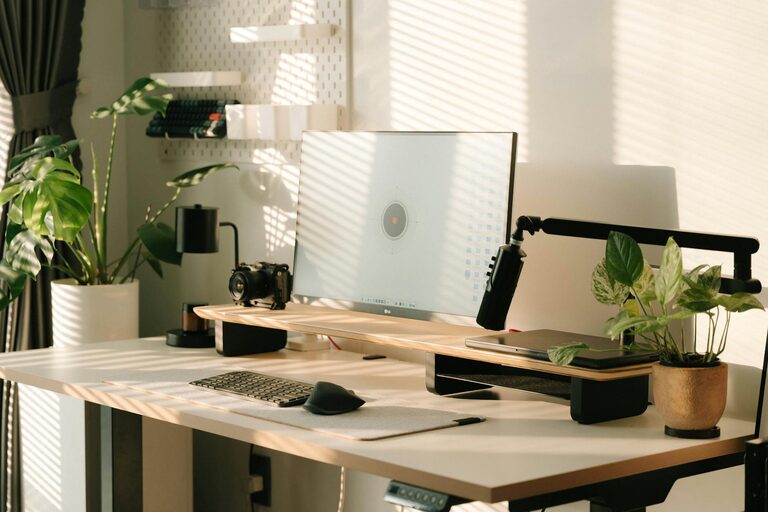
Creating a home office that is both cozy and productive can seem like a challenge, especially when balancing comfort with focus. However, with thoughtful planning and a few simple adjustments, you can design a space that inspires creativity, keeps distractions at bay, and makes you eager to start your workday. Here are some practical tips to help you create your ideal home office.
1. Choose the Right Location
The first step in creating a cozy and productive home office is selecting the right spot. Ideally, this should be a quiet corner or a separate room where you can focus without frequent interruptions. Natural light is a big plus—it improves mood and reduces eye strain. Avoid spots near noisy appliances or heavy foot traffic, and consider your home’s layout when deciding.
2. Invest in a Comfortable Chair and Desk
Comfort is key when it comes to home office furniture. Choose an ergonomic chair that supports good posture to reduce the risk of back pain during long work sessions. Your desk should be spacious enough to hold your computer, notebooks, and any other tools you use regularly. Adjustable desks, including standing desks, can provide flexibility and promote better health.
3. Optimize Lighting
Good lighting can significantly affect your focus and energy. In addition to natural light, use layered lighting—such as an overhead light combined with a desk lamp—to reduce eye strain. Warm, soft light bulbs can enhance coziness, while adjustable brightness allows you to customize the lighting depending on the task.
4. Personalize Your Space
Adding personal touches makes your office a place you want to spend time in. This could include artwork, plants, or meaningful objects that inspire you. Plants not only add visual appeal but also improve air quality and create a calm atmosphere. Choose decor that reflects your personality but keep it uncluttered to maintain productivity.
5. Keep It Organized
A cluttered desk can lead to a cluttered mind. Invest in storage solutions such as shelves, filing cabinets, or desk organizers to keep your materials tidily arranged. Use cable management tools to reduce visual mess from cords. Regularly declutter and clean to maintain a pleasant workspace.
6. Use Colors to Influence Mood
Color plays a subtle but powerful role in shaping your mood and productivity. Soft, neutral colors like beige, light gray, and pastels create a calming environment. Accent colors such as blue or green can promote focus and tranquility. Avoid overly bright or bold colors that may distract or cause fatigue over time.
7. Minimize Distractions
Design your home office to minimize distractions. Position your desk so you are less likely to see things that might divert your attention. Consider noise-canceling headphones if your space isn’t completely quiet. Keep your phone on silent or in another room to help maintain focus during work hours.
8. Create a Routine-Friendly Setup
Arrange your workspace to support your daily routine. Keep frequently used items within arm’s reach. Set up zones for different activities, such as a dedicated area for computer work and another for reading or brainstorming. This organization helps your mind associate specific spaces with specific tasks, boosting efficiency.
9. Incorporate Technology Thoughtfully
Technology should make your work easier, not more complicated. Choose devices and accessories that fit your needs and workspace. Wireless keyboards and mice reduce cable clutter. Use a good-quality monitor at eye level to avoid neck strain. Keep your software and programs organized for smooth workflow.
10. Include Comfort Elements
Adding comfort elements enhances coziness and encourages longer, more pleasant working hours. A soft throw blanket, a cushion for your chair, or even a small rug can make your office feel warm and inviting. Consider a diffuser with subtle essential oils or a small speaker for background music if it helps your concentration.
—
By carefully considering location, furniture, lighting, and organization, you can create a cozy home office that promotes productivity and wellbeing. Remember that your workspace should evolve with your needs, so periodically reassess and update it to stay comfortable and inspired. With these tips, working from home can become a more enjoyable and effective experience.