
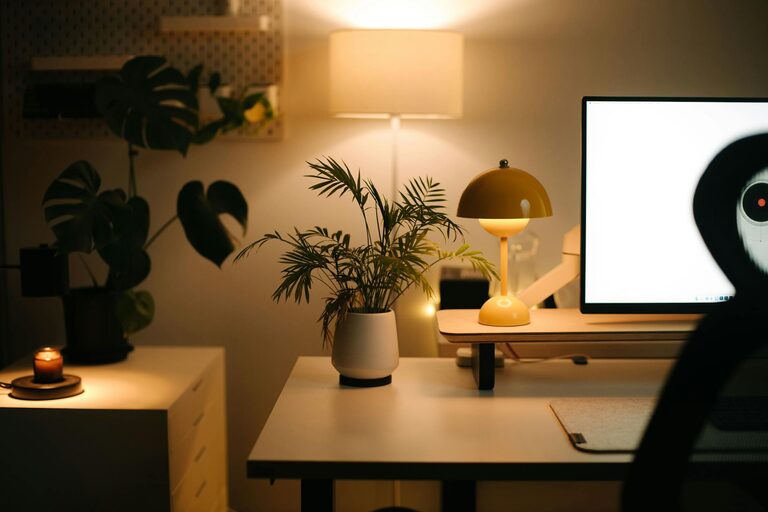
Creating a home office that feels both cozy and inviting can greatly enhance your comfort and productivity. Whether you work from home full-time or just need a dedicated spot for managing tasks, a thoughtfully designed space can make all the difference. Here are some practical tips to help you create a home office that feels welcoming and inspires focus.
Choose the Right Location
Finding the perfect spot for your home office is the first step. Ideally, choose a quiet area with minimal distractions. Near a window is a great option, as natural light improves mood and energy. If space is limited, consider using a corner of a room or a spot with a clear separation from high-traffic areas.
Consider Privacy and Noise Control
If possible, pick a location where you can control noise levels. Adding rugs and curtains can absorb sound, creating a calmer environment. Noise-canceling headphones are a helpful addition if controlling ambient noise is challenging.
Prioritize Comfort with Furniture
Comfort is key to making your office inviting. Invest in a good chair that offers proper support for your back. Ergonomic chairs help reduce discomfort during long work hours.
Desk Selection
Choose a desk that fits your space and work style. If you use multiple devices or need room for paperwork, opt for a larger desk. Some people prefer standing desks to switch positions, which can boost comfort and circulation.
Optimize Lighting
Proper lighting not only reduces eye strain but also sets the mood. Maximize natural light by keeping windows clear of heavy curtains during the day. Choose adjustable desk lamps with warm light bulbs for late work sessions.
Layered Lighting
In addition to task lighting, add ambient lighting such as floor lamps or wall sconces. This softer light reduces harsh shadows and creates a warm atmosphere.
Add Personal and Inspiring Touches
A home office should feel like your personal sanctuary. Adding items that inspire you can keep motivation high.
Incorporate Plants
Indoor plants bring a touch of nature indoors, improving air quality and adding a calming presence. Choose low-maintenance plants like succulents or snake plants if you’re new to plant care.
Display Art and Photos
Hang artwork or photos that make you happy and focused. Vision boards, calendars with inspiring quotes, or favorite photographs can personalize your space.
Keep It Organized and Clutter-Free
Clutter can be distracting and stressful. Use storage solutions that hide away paperwork and supplies.
Use Shelving and Containers
Shelves, drawers, and decorative boxes keep things tidy yet accessible. Label containers to find items quickly. Desk organizers can keep essentials neatly arranged.
Establish a Filing System
Whether digital or physical, a reliable filing system helps maintain order and speeds up finding important documents.
Incorporate Soft Textures and Cozy Elements
Adding soft textures makes your office feel more inviting.
Use Area Rugs
A rug can define the office space, add warmth, and reduce noise.
Add Cushions or Throws
A small cushion on your chair or a cozy throw nearby can increase comfort during work breaks.
Manage Cords and Tech Setup
Messy cords can make your workspace look chaotic. Use cable organizers or clips to keep cables under control. Arrange your computer, printer, and other tech gadgets in an orderly way to streamline your workflow.
Maintain Good Air Quality and Temperature
Fresh air prevents fatigue and keeps you alert. Open windows periodically or use an air purifier if needed. Keep your office at a comfortable temperature with fans, heaters, or air conditioning.
Create Boundaries Between Work and Relaxation
Design your home office so that it feels separate from leisure areas. This helps maintain work-life balance. When possible, close the door or use room dividers.
Final Thoughts
A cozy and inviting home office doesn’t have to be complicated or expensive. By focusing on comfort, lighting, personal touches, and organization, you can craft a space where work feels less like a chore and more like a pleasure. Start small, and adjust your space over time to find what best supports your productivity and well-being.